


Classification of Cargo Types in Air Freight Transport
In the air logistics industry, each type of cargo has its own specific characteristics and must comply with strict international transport standards. Proper classification from the outset not only ensures flight safety but also helps businesses optimize costs, minimize risks, and enhance supply chain efficiency.
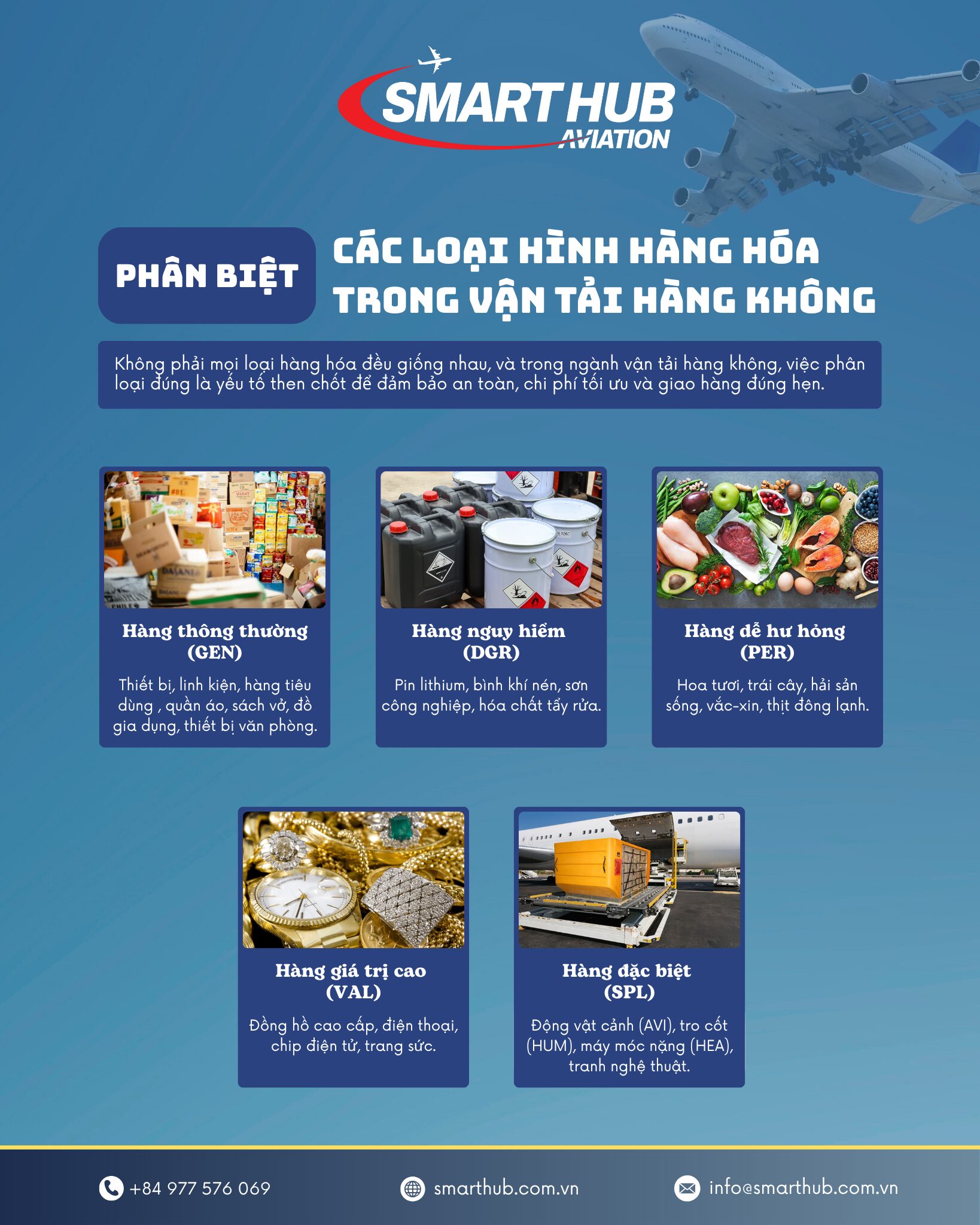
1. General Cargo (GEN)

This is the most common type of air cargo, accounting for the majority of shipments. General cargo includes goods that do not require special storage conditions, are non-hazardous, not of exceptionally high value, and have no unusual shapes or handling requirements.
Examples of general cargo include:
- Consumer electronics (e.g., speakers, printers)
- Mechanical parts, hand tools
- Consumer goods, clothing, books, household items, stationery
Handling: GEN cargo is typically easy to pack and store, processed quickly, and does not require special inspections during air freight procedures. However, proper packaging is still essential to prevent damage during handling and transport.
2. Dangerous Goods (DGR)
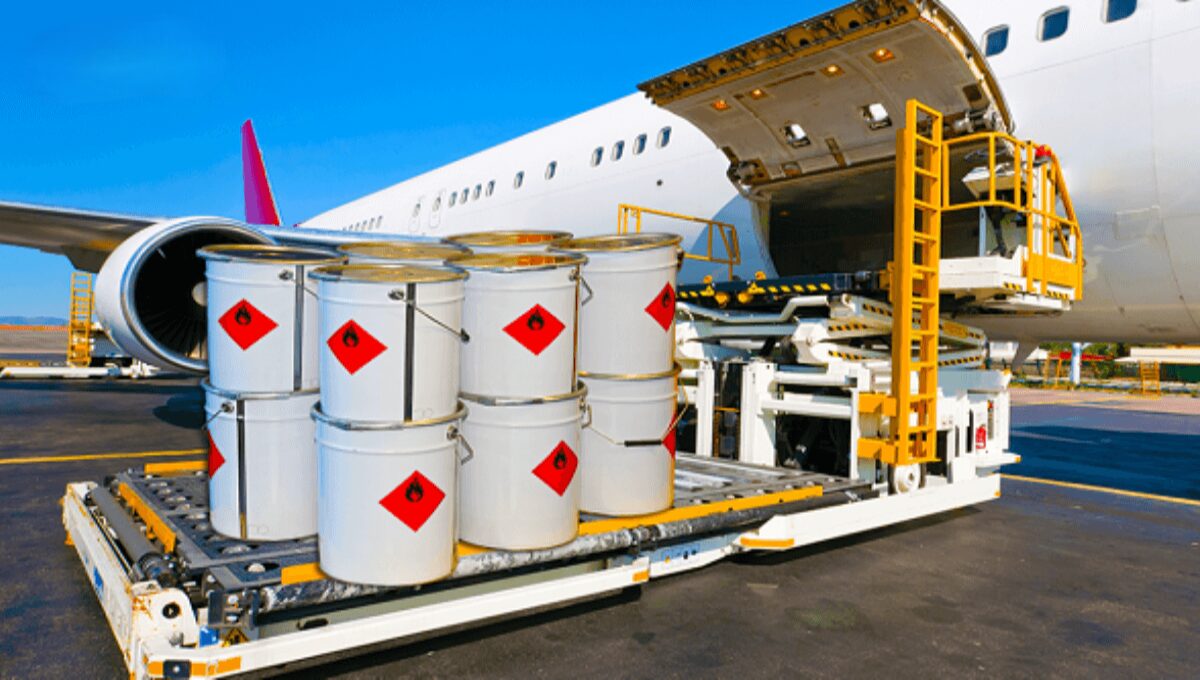
Dangerous goods are items that may pose a risk to humans, property, or the environment if not handled properly. Transporting this category requires strict compliance with the IATA Dangerous Goods Regulations (DGR).
Examples of dangerous goods include:
- Lithium batteries (used in phones, laptops, drones)
- Chemicals, industrial paints, adhesives
- Compressed gas cylinders, flammable or corrosive materials
Handling: Must strictly follow IATA regulations, with accurate UN code declarations, operators trained in DGR handling, and complete documentation such as the Material Safety Data Sheet (MSDS).
3. Perishable Goods (PER)

This category includes goods with short shelf lives or those that are sensitive to temperature, humidity, and transit time. Transporting PER requires cold chain systems, temperature control, and fast handling at both origin and destination airports.
Examples of perishable goods include:
- Fresh flowers, fruits, and clean vegetables
- Live or frozen seafood
- Vaccines, medical drugs, and biological test samples
Handling: Typically prioritized on fast flights. Cold storage services must be available from origin to destination, with continuous monitoring of temperature and storage conditions throughout the supply chain.
4. Valuable Cargo (VAL)

These are goods with high value per unit of weight that require maximum security during transportation. Each airline sets its own minimum value threshold to classify cargo as VAL (Valuable Cargo).
Examples of valuable cargo include:
- Jewelry, gold, diamonds
- Luxury watches, high-end electronics
- Computer chips, processors, newly launched tech products
Handling: Transported in specialized, sealed containers with 24/7 CCTV surveillance. Full insurance coverage is required. Storage is arranged in high-security airport warehouses to ensure strict protection throughout the logistics process.
5. Special Cargo (SPL)
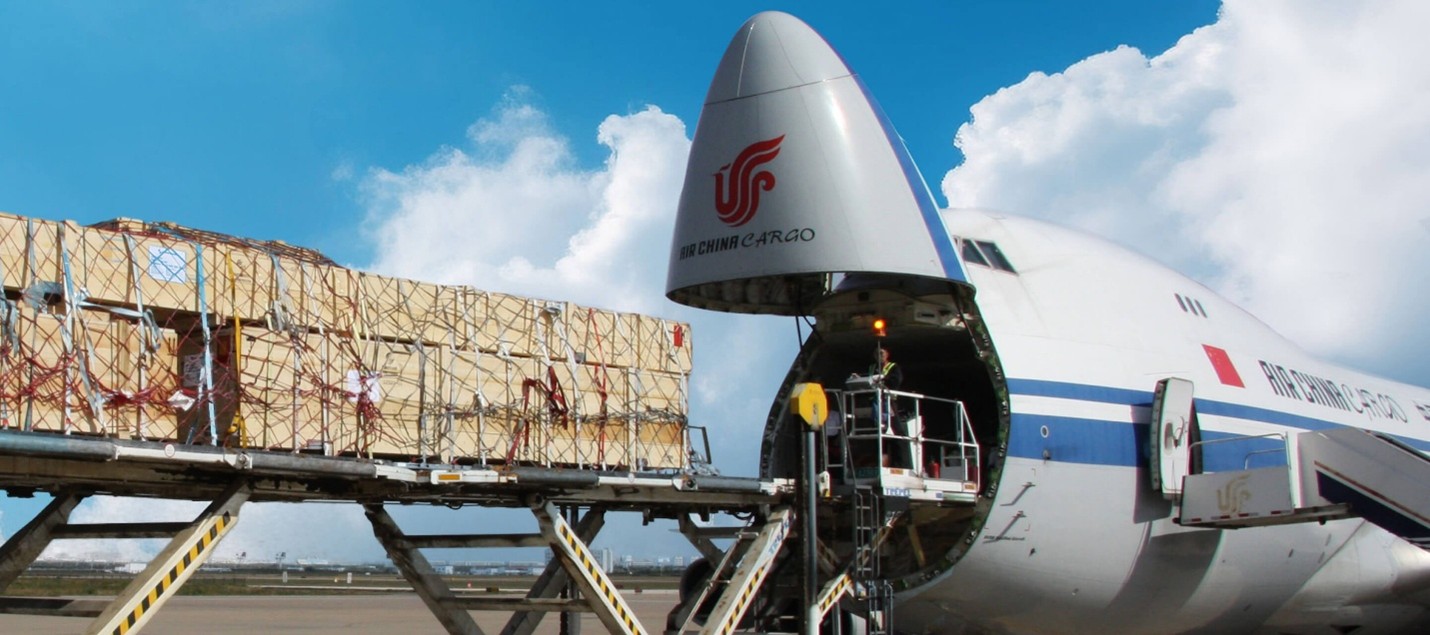
This category includes cargo that does not fall into the four main groups but requires special handling due to its size, condition, nature, or international regulations. SPL (Special Cargo) consists of several subcategories, such as:
- AVI (Live Animals): Dogs, cats, ornamental birds, fish – require IATA-compliant animal crates (LAR) and proper veterinary/quarantine documentation.
- HUM (Human Remains): Cremated or non-cremated remains – subject to special procedures, separate packaging, and close coordination with relevant authorities.
- HEA (Heavy Cargo): Oversized or overweight machinery and equipment – requires forklifts, compatible aircraft holds, and manual handling.
- WET (Wet Cargo): Goods with potential liquid leakage – must be securely wrapped with waterproof layers to prevent spillage.
Handling: Each type demands a tailored approach, including veterinary inspection, specialized declarations, technical assistance, and manual labor during loading and unloading to ensure compliance and safety.
Why Accurate Cargo Classification Matters
- Ensures Flight Safety: Prevents incidents such as fires, toxic exposure, or technical malfunctions during transport.
- Enables Proper Handling: Reduces the risk of damage, loss, or rejection by airlines due to mismanagement.
- Ensures Legal Compliance: Especially critical for cross-border shipments subject to international aviation and customs regulations.
- Minimizes Additional Costs: Helps avoid penalties, delays, or costly reprocessing at airports caused by incorrect declarations.
Smart Hub Aviation – Specialized Air Cargo Solutions for Every Commodity Type
As an authorized sales agent for multiple international cargo airlines, Smart Hub Aviation delivers end-to-end air logistics solutions tailored to your cargo’s specific needs:
- Tailored Transport Consulting: Route, transit time, cost, and compliance advisory based on cargo type.
- Professional Airport Consolidation & Breakbulk Services: Efficient cargo handling at key airport hubs.
- Customs Clearance Expertise: Fast-track documentation, inspection, and clearance—especially for DGR & SPL shipments.
- 24/7 Shipment Monitoring: Real-time tracking and proactive updates throughout the journey.
- Heavy-Lift & Project Cargo Management: Complete solutions for oversized, overweight, or complex cargo.
Contact Us:
- Hotline: +84 977 576 069
- Email: info@smarthub.com.vn
- Fanpage: Smart Hub Aviation
Share the posts
.svg)
.svg)
.svg)
 Copied
 Blog Related

E-commerce Cargo – Fast & Efficient E-commerce Shipping Solution

Vietnam Air Cargo Transport: Breakthrough in the First 9 Months of 2025 – A Golden Opportunity for Import–Export Businesses

Van Don International Airport – The Golden Gateway for Air Cargo Transport

China Opens 152 New Air Cargo Routes – A Golden Opportunity to Strengthen Vietnam’s Supply Chain Connectivity

Air Cargo During the Vietnam National Day: Strong Growth in Cargo Volume Creates Opportunities for Vietnam’s Logistics Industry


