


Connecting to the U.S. Market: Vietnam’s Aviation Industry Poised to Accelerate from Tariff Incentives
The new tariff agreement between Vietnam and the United States not only fosters bilateral trade but also provides a significant boost to the logistics and air freight sectors. Vietnam is poised to become a strategic transshipment hub—provided that businesses proactively adapt to policy shifts and invest in optimized operations.
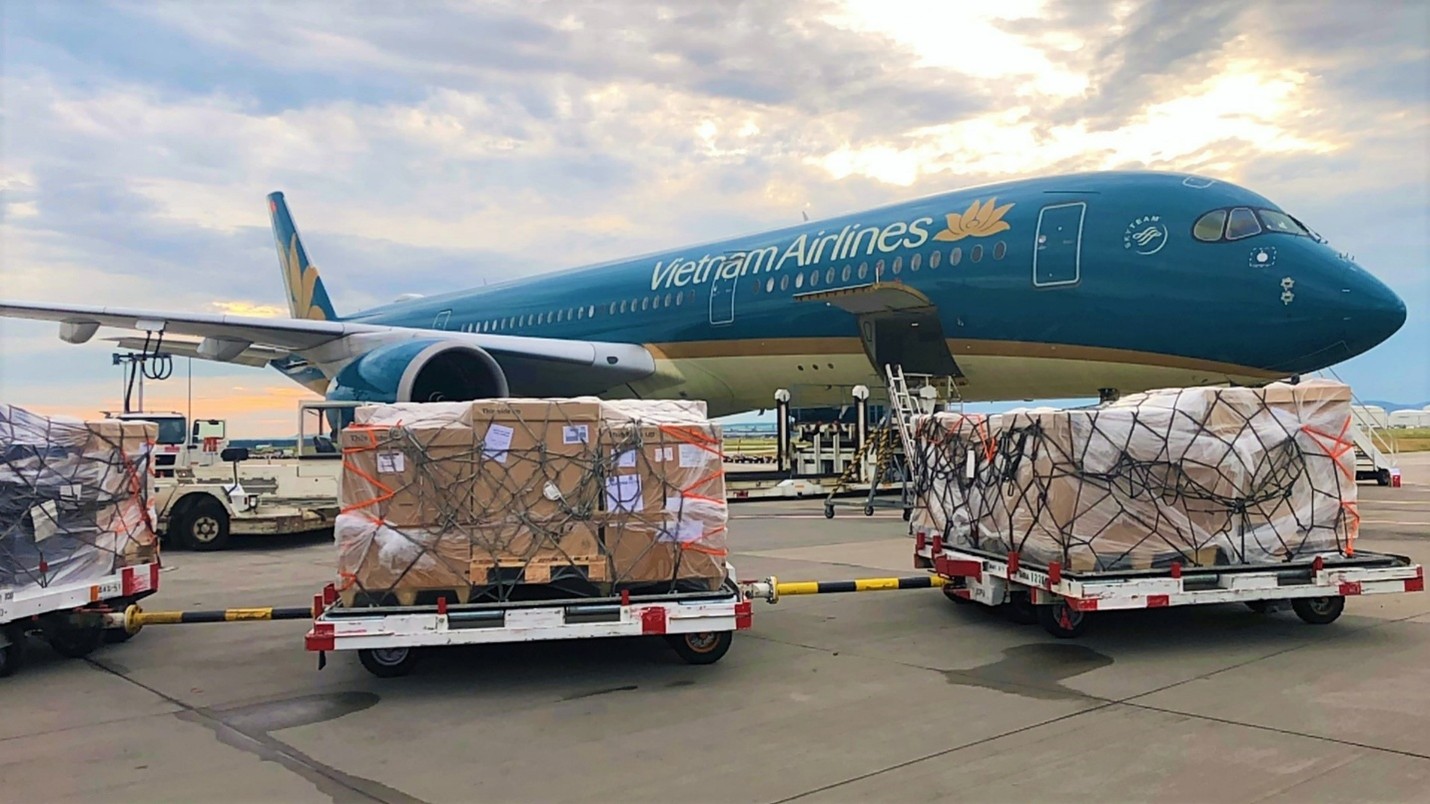
1. Accelerating Exports – Expanding Logistics – Activating Air Freight
The new tariff agreement between Vietnam and the United States, announced in early July 2025, is expected to serve as a major catalyst for Vietnam’s logistics and air freight industries. Amid global economic fluctuations and ongoing supply chain recovery, this positive trade policy between the two nations creates new opportunities for Vietnam to boost its competitiveness and deepen its integration into the global logistics network.
>>>> YOU MAY ALSO BE INTERESTED IN: Choose the Right Air Route – Optimize Cost and Transit Time
2. The U.S. – A Strategic Export Partner for Vietnam
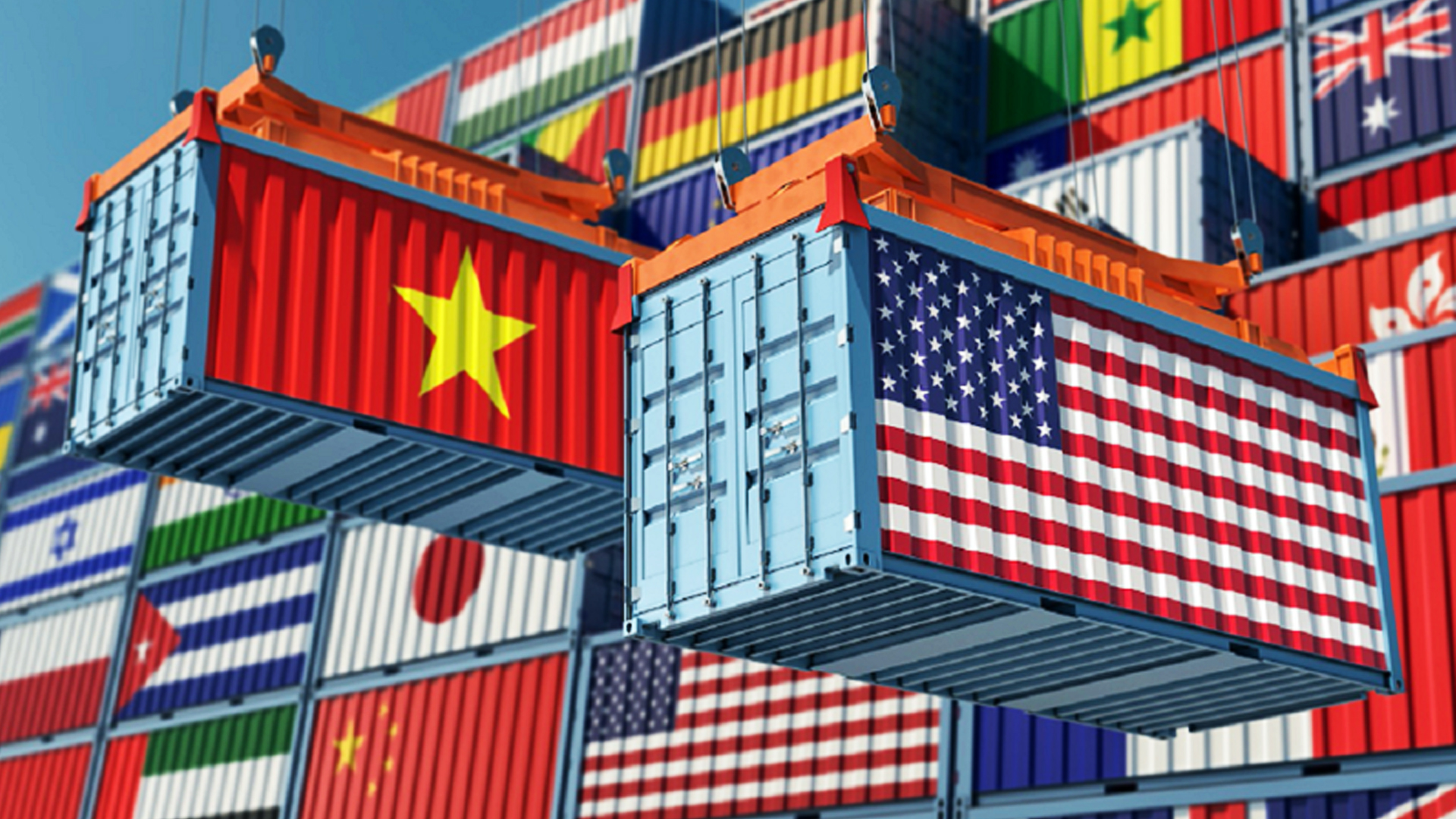
Vietnamese exports to the United States have surged thanks to recent tariff adjustments—presenting a major opportunity for the growth of air logistics.
According to data from the General Statistics Office (Ministry of Finance), in the first five months of 2025, Vietnam’s export turnover to the U.S. reached USD 57.2 billion, with a trade surplus of USD 49.9 billion—an increase of 29% compared to the same period last year. This not only highlights the appeal of the U.S. market but also underscores the critical role of air freight in supporting the export of high-value goods such as electronics, apparel, footwear, pharmaceuticals, and tech components.
3. Tariff Adjustments: A Catalyst for Air Logistics Growth
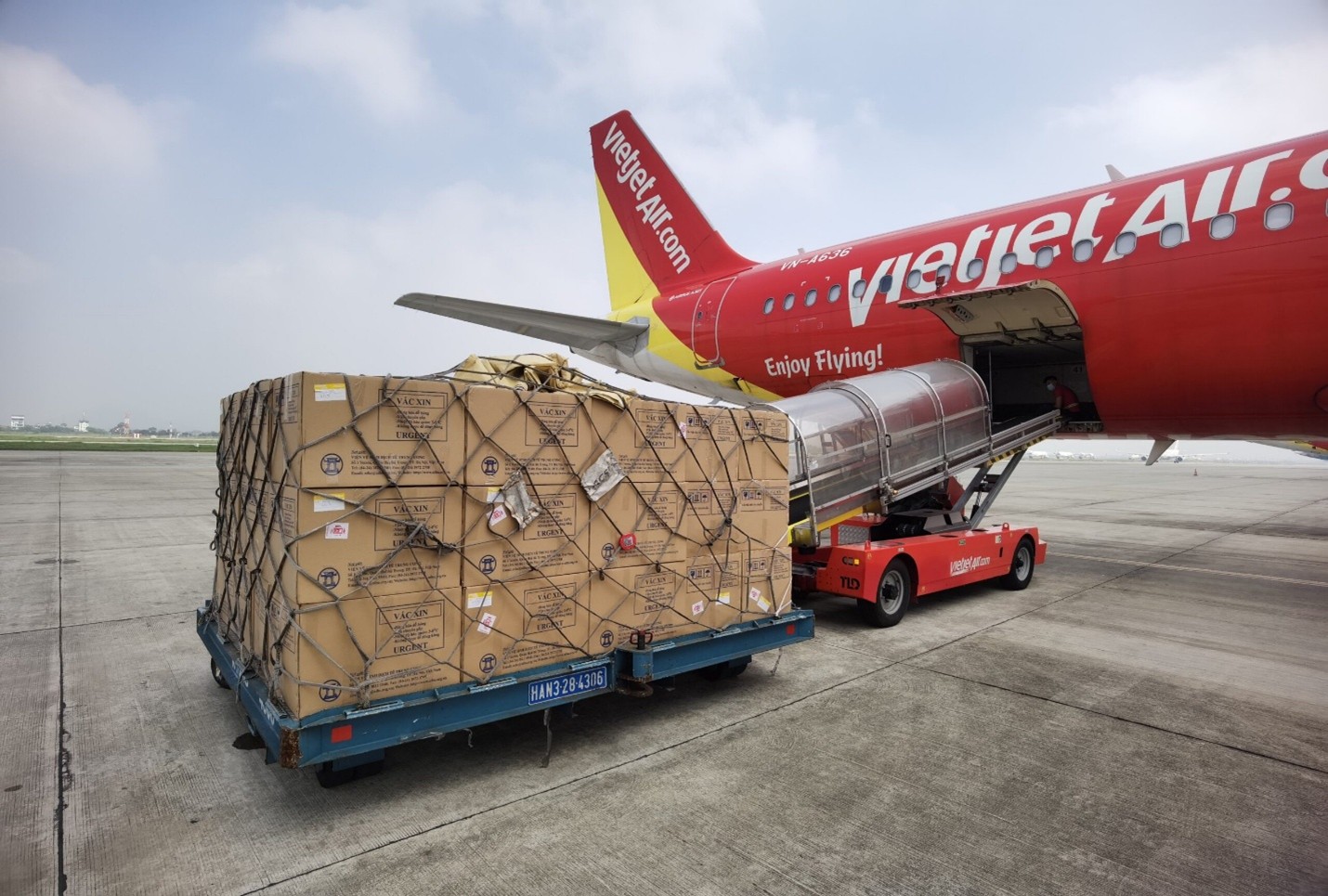
Attractive new tax policies are opening up opportunities for smaller airlines and fueling the growth of air cargo logistics.
A key highlight of the recent tariff agreement is the reduction of import duties on goods originating from Vietnam, with clear distinctions made between domestically produced items and goods transshipped from third countries. This provides a significant advantage for Vietnamese companies with transparent supply chains, helping them reduce costs, accelerate delivery times, and strengthen their competitive edge in the U.S. market.
In Q2/2025, demand for air freight spiked just ahead of the expiration of temporary tariff exemptions. This sharp increase underscores how sensitive and impactful trade policies are on logistics operations—particularly air freight, which remains the most efficient channel for urgent, high-value shipments.
4. Air Cargo: A Strategic Growth Inflection Point
According to industry experts, the air cargo sector is entering a favorable “growth inflection point.” The U.S. market serves not only as a major export destination for Vietnamese goods but also as a vital source of imports—ranging from consumer products and technology components to pharmaceuticals—especially through booming e-commerce channels.
Air freight is rapidly becoming the backbone of fast, efficient, and quality-assured delivery within global supply chains. The third and fourth quarters of 2025—peak consumption seasons in the U.S.—are projected to witness a significant surge in trans-Pacific air cargo activity.
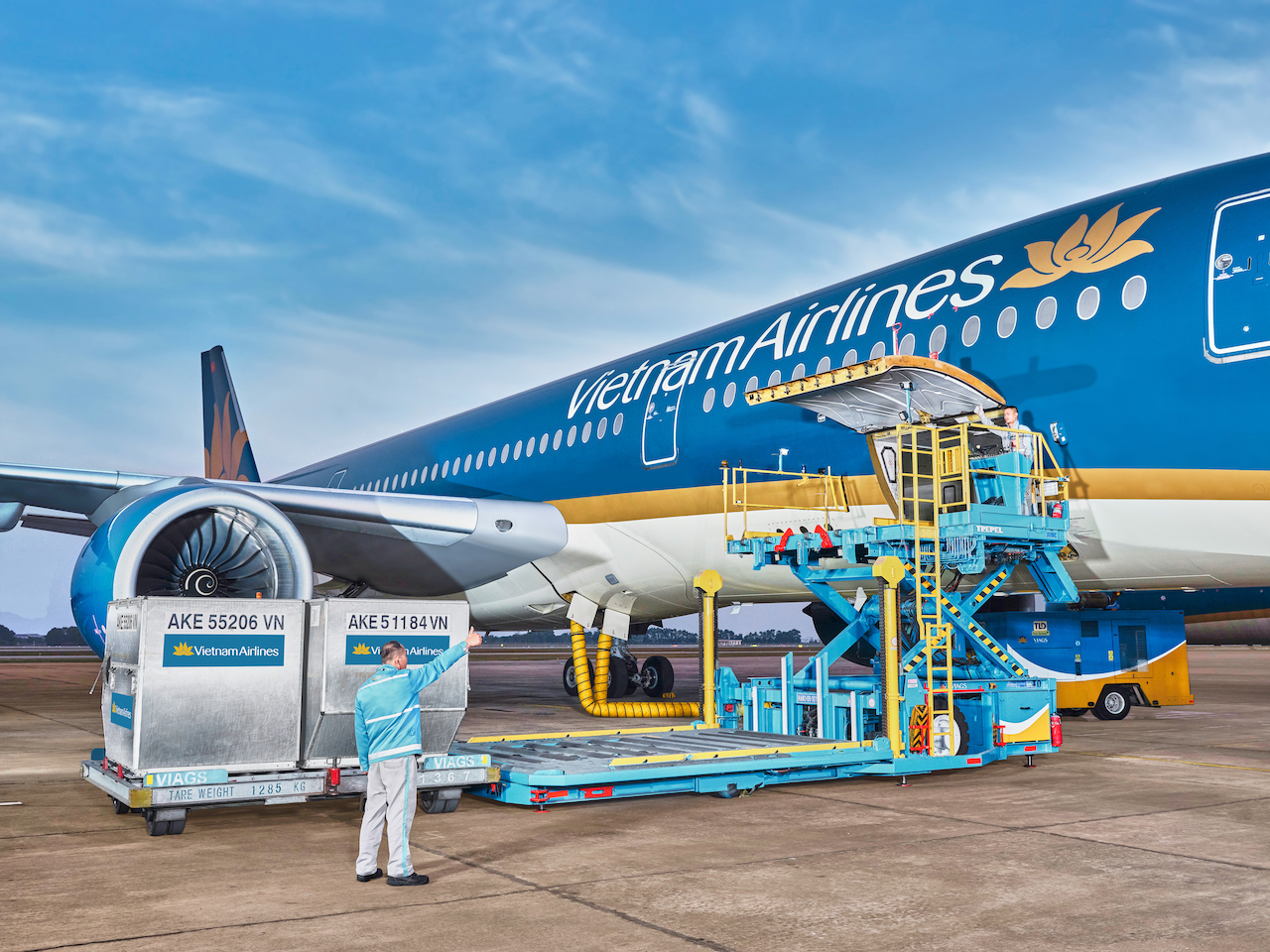
Currently, Vietnam Airlines is the only carrier in Vietnam operating direct flights to the United States.
However, Vietnam currently lacks a dedicated freighter airline. Most cargo is still transported in the belly space of passenger aircraft, limiting available capacity and operational flexibility. This presents a timely opportunity for investment in wide-body freighters such as the Boeing 777F and Airbus A330F, or in strategic international partnerships to scale up dedicated air cargo operations.
>>>> READ MORE: Vietnam Airlines Accelerates Plans to Launch Dedicated Cargo Airline
5. Preparing for Long-Term Breakthrough Growth
To turn the opportunities presented by the Vietnam–U.S. trade agreement into a foundation for sustained growth, businesses need to:
- Invest in modern logistics operation technologies.
- Proactively stay informed on international trade policies.
- Build stable air cargo networks and expand global partnerships.
- Enhance the quality of logistics operations personnel.
Close collaboration between government agencies—such as the Ministry of Industry and Trade and the Ministry of Finance—and the private sector will be key to creating a favorable environment and positioning Vietnam as a regional air logistics hub.
6. Smart Hub Aviation: Partnering with Businesses During a Breakthrough Phase
As air logistics undergoes rapid transformation, Smart Hub Aviation (SHA) stands out as a strategic partner, offering end-to-end solutions for import–export enterprises.
Key offerings from SHA include:
- Tailored air freight consulting for each route: SHA supports businesses in selecting optimal flight routes, balancing cost, time, and cargo safety.
- Consolidation, deconsolidation, and airport warehousing services: Specialized airport-based warehouses enable streamlined cargo handling and improve delivery efficiency.
- Customs declaration support and policy adaptation: SHA provides real-time updates on tax regulations, inspection requirements, and import–export policies to ensure swift clearance and mitigate risks.
>>>> RECOMMENDED FOR YOU: Comprehensive Air Freight Services by Smart Hub Aviation – An Optimal Logistics Solution for Businesses
Contact Us:
- Hotline: +84 977 576 069
- Email: info@smarthub.com.vn
- Fanpage: Smart Hub Aviation
Share the posts
.svg)
.svg)
.svg)
 Copied
 Blog Related

E-commerce Cargo – Fast & Efficient E-commerce Shipping Solution

Vietnam Air Cargo Transport: Breakthrough in the First 9 Months of 2025 – A Golden Opportunity for Import–Export Businesses

Van Don International Airport – The Golden Gateway for Air Cargo Transport

China Opens 152 New Air Cargo Routes – A Golden Opportunity to Strengthen Vietnam’s Supply Chain Connectivity

Air Cargo During the Vietnam National Day: Strong Growth in Cargo Volume Creates Opportunities for Vietnam’s Logistics Industry


