


Global Air Freight Rates Decline: Businesses Must Stay Agile
Amid global trade fluctuations and shifting tariff policies, international air freight rates are showing signs of cooling. The latest report from Xeneta highlights the first rate decline in over a year—a significant signal for logistics and import-export businesses.
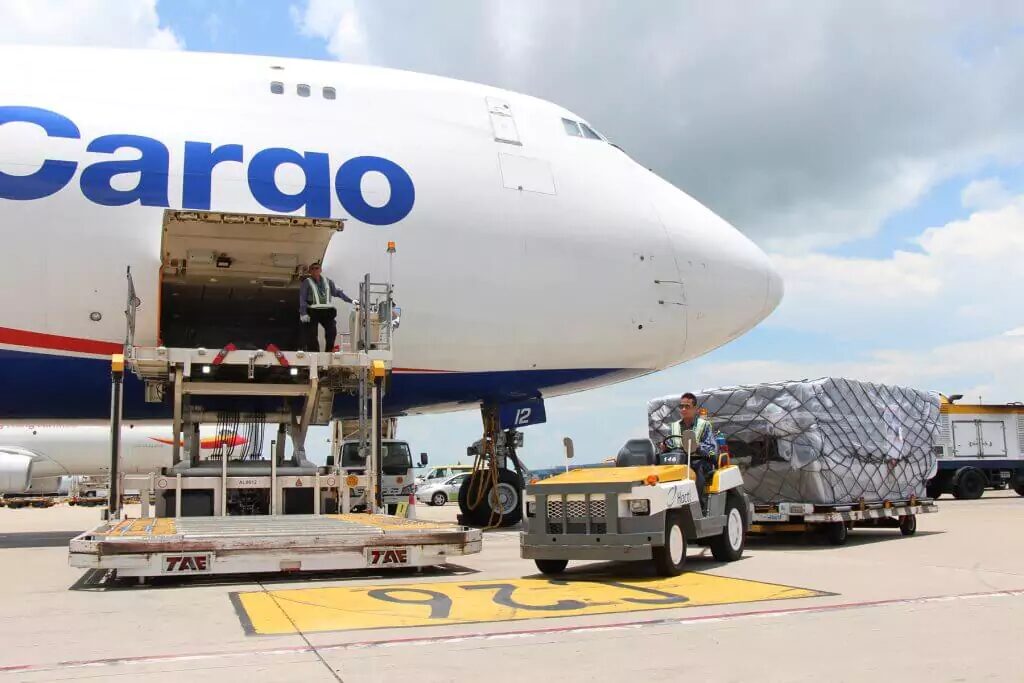
Rate Declines Driven by Supply–Demand Imbalance
According to Xeneta, the global average spot rate in May 2025 dropped to USD 2.44 per kilogram, down 4% year-over-year. Meanwhile, air cargo volumes increased by 6%, indicating a market entering an oversupply phase, where available cargo capacity outpaces actual demand.
This trend marks a notable shift, as just a few months earlier—by the end of 2024—rates were on a slight recovery trajectory due to capacity restrictions by carriers and anticipated demand growth.
However, entering Q2 2025, a combination of tariff adjustments, uncertain trade policies, and cautious sentiment among businesses has triggered a renewed downward pressure on rates.
China – U.S.: The Most Volatile Air‑Cargo Route
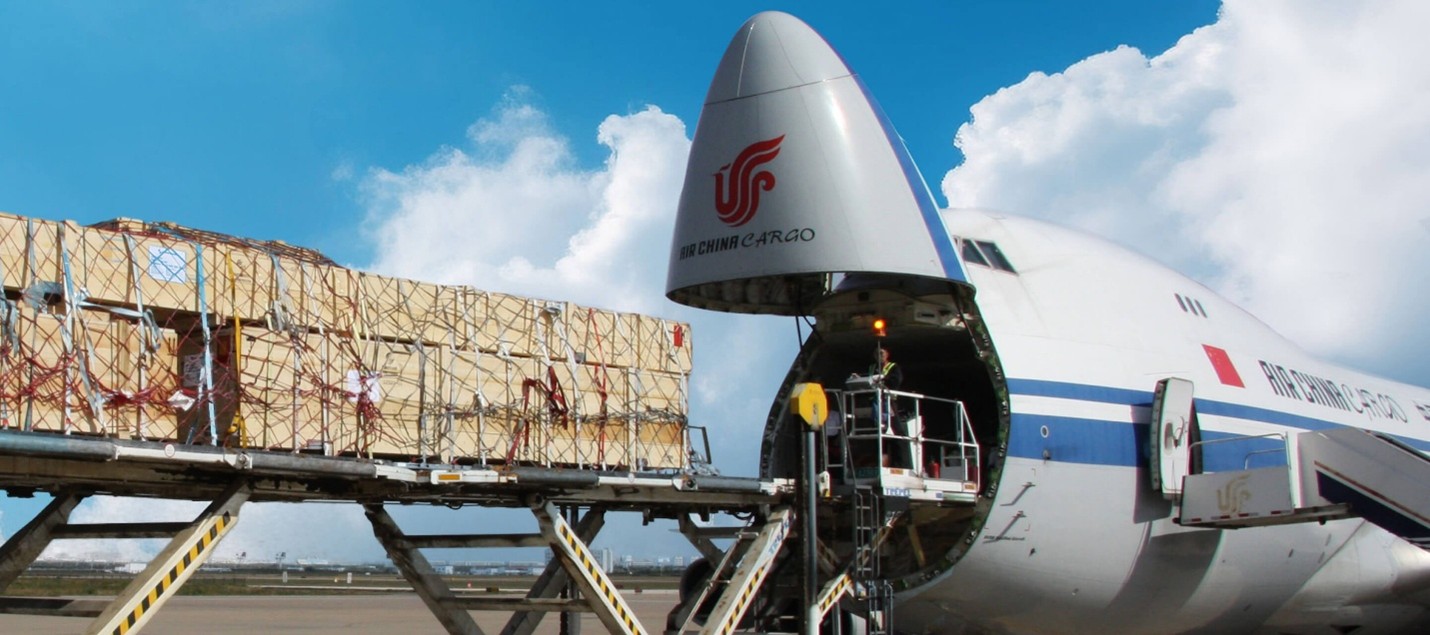
Cargo being loaded onto an aircraft in China en route to the United States.
The China–U.S. air freight lane, a key route for electronics, e-commerce, and fast-moving consumer goods, has not been immune to recent fluctuations. During the first half of May, spot rates hit their lowest point. However, by June 1st, prices had unexpectedly rebounded to USD 4.31/kg, marking a 14% increase compared to the two-week low.
The main reason behind this surge was a wave of frontloading, as shippers rushed to move goods before the expiration of the 90-day tariff exemption window. This is a typical market reaction to major policy changes—especially when it involves high-value, time-sensitive cargo.
Tariffs – A Key Driver of Logistics Volatility
One of the most significant recent developments impacting the air cargo industry is the U.S. decision to end the “de minimis” tariff exemption, effective May 2nd. This policy change has led to a noticeable decline in low-value shipments from China and Hong Kong entering the U.S.
Under the previous “de minimis” rule, e-commerce goods valued under USD 800 were exempt from import duties when entering the U.S. The removal of this exemption has made small-parcel shipments—primarily transported by air—less attractive and subject to stricter regulatory scrutiny. As a result, air freight capacity has become oversupplied, prompting airlines to adjust flight schedules, reduce service frequencies, or even temporarily suspend fixed routes in order to control operating costs.
How Are Businesses Responding?

Vietnamese Airlines are becoming the choice for international businesses.
A clear trend is emerging: many manufacturers are shifting their point of origin away from China in favor of countries with more flexible trade policies, such as Vietnam, Thailand, or India. While the actual flight routes may remain largely unchanged, this shift in cargo origin requires logistics providers to have the capability to redesign end-to-end supply chains—from consolidation and warehousing to flight coordination and customs clearance at the destination.
For companies that have yet to develop multi-origin operational capacity, now is the time to partner with logistics providers that offer strong international networks and rapid response capabilities—ensuring continuity in import-export activities amid growing global uncertainty.
Smart Hub Aviation – Air Logistics Solutions for a Volatile Era
In response to the increasing complexity of the global air cargo market, Smart Hub Aviation (SHA) is committed to supporting businesses with comprehensive, end-to-end solutions, including:
- Strategic air logistics consulting: Closely monitoring freight rate trends, tariff shifts, and international policy changes to help businesses design optimal transport strategies.
- Route optimization and proactive consolidation: Developing transport schedules aligned with key policy timelines to minimize unexpected costs.
- International-standard warehousing systems: Located at key airport hubs, ready to provide flexible storage and transshipment during flight schedule adjustments.
- Charter flight operations and GSA support: When commercial routes fall short, SHA can arrange dedicated charter flights or work with partner airlines to secure cargo space.
- Cross-border supply chain integration: A seasoned team ensures smooth transitions when shifting cargo origin points across countries—enabling rapid, uninterrupted logistics operations.
Contact Us:
- Hotline: +84 977 576 069
- Email: info@smarthub.com.vn
- Fanpage: Smart Hub Aviation
Share the posts
.svg)
.svg)
.svg)
 Copied
 Blog Related

E-commerce Cargo – Fast & Efficient E-commerce Shipping Solution

Vietnam Air Cargo Transport: Breakthrough in the First 9 Months of 2025 – A Golden Opportunity for Import–Export Businesses

Van Don International Airport – The Golden Gateway for Air Cargo Transport

China Opens 152 New Air Cargo Routes – A Golden Opportunity to Strengthen Vietnam’s Supply Chain Connectivity

Air Cargo During the Vietnam National Day: Strong Growth in Cargo Volume Creates Opportunities for Vietnam’s Logistics Industry


