


Trans-Pacific Freight Capacity Stabilizes After Market Volatility
In recent weeks, the trans-Pacific air cargo market has shown signs of stabilizing after a period of significant volatility driven by changes in U.S. tax policy. This is a positive signal for the global supply chain, which has been under considerable pressure from ongoing geopolitical tensions and international trade disruptions.
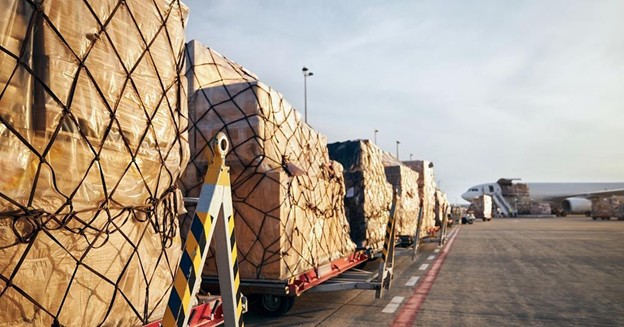
Sharp Volatility Driven by Tariffs
- According to data from Rotate, wide-body air freight capacity on trans-Pacific routes for the week beginning June 2 reached 63,000 tons, down 3,000 tons from the previous week. This decline is largely attributed to the United States imposing new tariffs on Chinese goods and eliminating the de minimis exemption for e-commerce shipments from China—which account for a significant portion of the cargo volume.
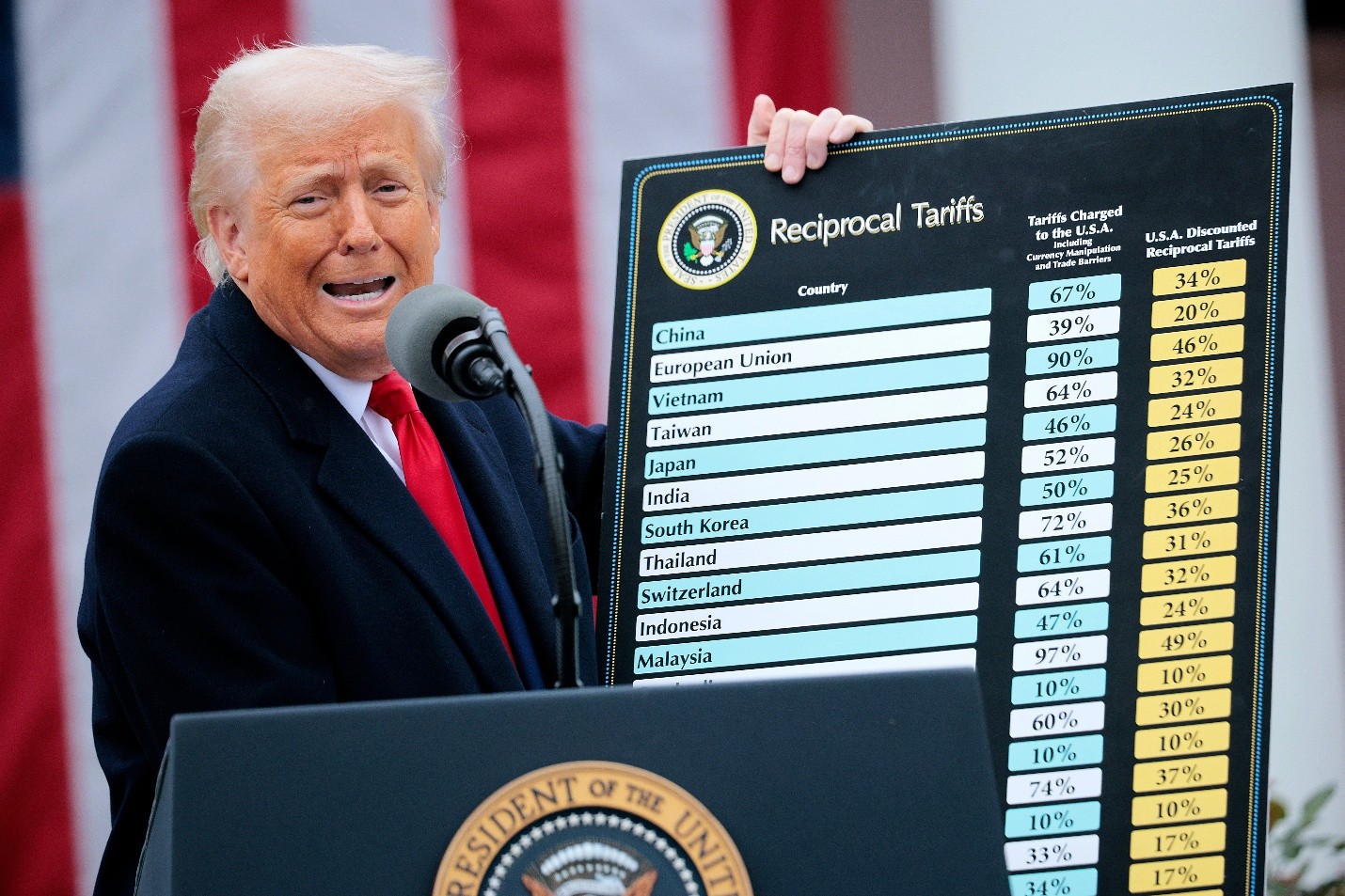
- The peak of the year was recorded in late March, reaching 75,000 tons per week, reflecting a surge in shipping demand ahead of the new tariff policies taking effect. However, by early May, this figure had dropped to 51,000 tons, representing a 32% decline.
Recovery Signs Following Tariff Reduction
- Following the U.S. decision to reduce tariffs on Chinese goods from 145% to 30% for a 90-day period, the air cargo market has shown signs of recovery. Demand rebounded, pushing weekly capacity up to 66,000 tons during the week of May 26—approaching the annual average of 63,000 tons.
- However, current capacity still remains nearly 20% lower than the late March peak. Businesses continue to monitor the situation closely to determine optimal shipping strategies and maintain cost control.
Shifts in Global Air Cargo Routes
- Beyond the trans-Pacific corridor, other major trade lanes have also experienced notable changes. The Asia–Europe route saw a 7.7% increase in capacity from late March to early June. Middle East–Europe routes grew by 5.1%, while capacity from Latin America to North America rose 6.9%.
- In contrast, the transatlantic lane recorded a 15% decrease in capacity, as many airlines shifted focus toward passenger transport during the peak travel season.
Impacts on Supply Chains and Business Strategy
The return of stability in freight capacity provides essential conditions for long-term planning, particularly in the import–export sector. However, ongoing dependence on tariff and trade policy shifts makes the air cargo market highly vulnerable. As a result, diversifying shipping routes and building partnerships with strategic logistics providers has become a necessary trend.
Smart Hub Aviation – Your Trusted Partner in Air Freight Logistics
The recent fluctuations in trans-Pacific freight capacity clearly illustrate the market’s sensitivity to global trade policy. While there are signs of stabilization, both businesses and suppliers must stay proactive—closely tracking policy developments, adjusting shipping plans, and optimizing their supply chains. In a landscape full of uncertainties, choosing a reliable logistics partner with strong technological capabilities like Smart Hub Aviation is a strategic move—ensuring flexibility and efficiency in global air cargo operations.
Contact us:
- Hotline: +84 977 576 069
- Email: info@smarthub.com.vn
- Fanpage: Smart Hub Aviation
Share the posts
.svg)
.svg)
.svg)
 Copied
 Blog Related

E-commerce Cargo – Fast & Efficient E-commerce Shipping Solution

Vietnam Air Cargo Transport: Breakthrough in the First 9 Months of 2025 – A Golden Opportunity for Import–Export Businesses

Van Don International Airport – The Golden Gateway for Air Cargo Transport

China Opens 152 New Air Cargo Routes – A Golden Opportunity to Strengthen Vietnam’s Supply Chain Connectivity

Air Cargo During the Vietnam National Day: Strong Growth in Cargo Volume Creates Opportunities for Vietnam’s Logistics Industry


