


Pros And Cons Of Air Freight In Export: What Should Businesses Know?
Amid constant shifts in global trade, selecting the right mode of transport plays a critical role in a company’s export strategy. Air freight stands out for its unmatched speed, global market reach, and high level of security. However, it also comes with certain inherent limitations that businesses need to understand in order to optimize operational efficiency and manage costs effectively.

Advantages of Air Freight in Export
1. Superior Transit Speed
No mode of transport matches air freight when it comes to delivery time. On international routes, goods can be shipped from Vietnam to destinations such as the U.S., EU, or Japan within just 1–3 days—significantly shortening trade cycles.
2. High Level of Security
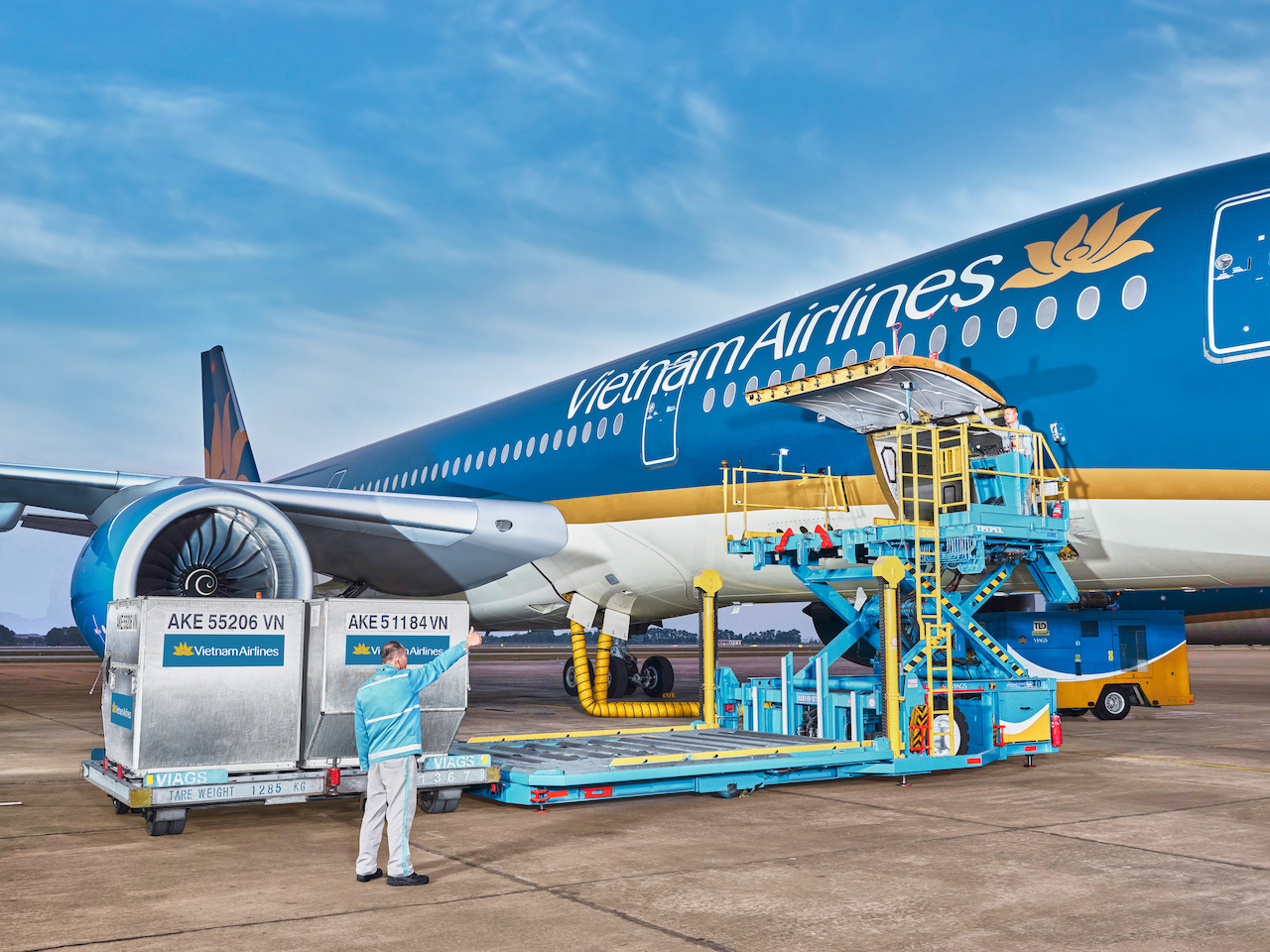
Air cargo is less affected by weather, terrain, or congestion compared to road or sea transport. Additionally, specialized security screening, packaging, and handling procedures help minimize the risks of damage or loss.
3. Reduced Warehousing Costs
Thanks to fast delivery times, businesses can avoid prolonged storage periods, resulting in significant savings on warehousing and inventory management costs.
4. Global Market Access
Air freight enables businesses to connect with virtually any country or region worldwide. It is an ideal choice for high-end markets that demand speed and delivery precision.
5. Suitable for High-Value or Specialized Cargo
Products such as electronic components, pharmaceuticals, luxury fashion items, fragile goods, and perishables often require special handling or fast transit—making air freight the optimal solution.
>>>> YOU MAY ALSO BE INTERESTED IN: Vietnam’s Global Air Cargo Market Update: Mild Fluctuations but Stable Overall
Key Disadvantages to Consider
Despite its many advantages, air freight also comes with several limitations:
- High Cost: Compared to sea or road transport, the cost per kilogram for air freight is significantly higher.
- Limitations on Volume and Size: Air freight is not suitable for oversized or heavy cargo, making it less ideal for bulk shipments.
- Strict Packaging Requirements: Due to cabin pressure and airline regulations, cargo must be carefully packaged in compliance with IATA standards.
- Dependence on Flight Schedules and Weather: Certain routes have limited flight frequency, and poor weather conditions can lead to delays—impacting delivery timelines.
>>>> FOR YOU: Complete Overview of the Air Cargo Handling Process: From Booking to Delivery
SHA – Comprehensive Air Freight Solutions for Export Businesses
At Smart Hub Aviation (SHA), we understand the unique requirements of each cargo type, flight route, and air cargo handling process.
SHA offers:
- Route and Transport Consultation: Tailored options including charter flights, smart consolidation, and rapid space booking
- End-to-End Booking Services: Including space reservation, customs declaration, manifest submission, and shipment tracking
- Specialized Cargo Handling: Dangerous goods, cold chain, and perishables—managed in compliance with IATA standards
- Trusted Airline Partnerships: With leading carriers such as Qatar Airways, Turkish Airlines, Korean Air, and more—ensuring stable flight schedules and secure slot allocations
>>>> READ MORE: Comprehensive Air Freight Services by Smart Hub Aviation – An Optimal Logistics Solution for Businesses
Contact Us:
- Hotline: +84 977 576 069
- Email: info@smarthub.com.vn
- Fanpage: Smart Hub Aviation
Share the posts
.svg)
.svg)
.svg)
 Copied
 Blog Related

E-commerce Cargo – Fast & Efficient E-commerce Shipping Solution

Vietnam Air Cargo Transport: Breakthrough in the First 9 Months of 2025 – A Golden Opportunity for Import–Export Businesses

Van Don International Airport – The Golden Gateway for Air Cargo Transport

China Opens 152 New Air Cargo Routes – A Golden Opportunity to Strengthen Vietnam’s Supply Chain Connectivity

Air Cargo During the Vietnam National Day: Strong Growth in Cargo Volume Creates Opportunities for Vietnam’s Logistics Industry


